Want to slip into the world of liberty and decipher its secret codes? You've come to the right place! Libertines have their own little winks, discreet but evocative symbols that allow you to recognize each other without a word. Curious or initiated, let us guide you into this subtle, sensual world where every detail can be an invitation to shared pleasure...
Ready to master these naughty signs to avoid misunderstandings and, why not, seize sensual opportunities? Then follow the guide: we'll tell you everything you need to know about libertine (and swinger) symbols!
To remember: Libertine symbols, such as the swing or the inverted pineapple, facilitate discreet encounters, but be careful not to interpret them too quickly! Some objects are used without any connection to libertinism depending on the context.
| Symbol | Meaning | Origin | Current use |
| The Swing | Movement, freedom, balance. Represents respect, exchange and intimate freedom. | Created in 2018 by a libertine couple from Luxembourg. | Affixed to clothing, jewelry or flags for discretion in the libertine community. |
| Pineapple upside down | Symbol of the search for libertine encounters in the swinger community. | A Caribbean symbol of hospitality, adopted by swingers. | Placed upside down to indicate openness to libertine encounters, without organizing events. |
| Mask | Anonymity, freedom from inhibitions, mystery and seduction. | Tradition of Venetian masked balls and fetish practices. | Used at libertine or fetish events to maintain discretion. |
| Pampas grass | A visual symbol for libertines in the 70s, facilitating encounters between initiates. | Popular in the 70s. | A declining trend, replaced by more modern symbols. |
| Garden gnomes | Decorative object used as a discreet marker by libertines in some parts of Europe. | Practice originating in Germany. | Still used in some rural and private residential communities. |
| Black rings | A discreet symbol in the swinger or asexual community, but also a simple fashion accessory. | Varied origins, linked to swinging and asexual subcultures. | Still used in some communities, mainly in Europe and North America. It has also become a popular fashion accessory with no libertine connotations. |
The Swing

The swingor The Swingis one of the best-known symbols of the libertine community.. Created in 2018 by a libertine couple from Luxembourg, it embodies movement, freedom and balance, values dear to the followers of this philosophy of life.
Discreet and elegant, this symbol can be placed on everyday objects such as clothing, jewelry or flags, allowing community members to recognize each other without attracting the attention of the uninitiated. Perfect to complement your libertine attire or have a towel decorated with the swing on the libertine beaches of the south...
The swing also represents a rallying around shared values such as respect, exchange and intimate freedom.
Let's explore the meaning of these symbols and what they represent:
- Red : Love, Passion, Intimacy, Stimulation, Strength, Courage
- Black : Power, Control, Mystery, Intimidation, Limits, Barriers, Attraction, Trust
- Swing : Libertine world, Open relationships, Intimate relationships, Exchanges, Sharing
- The circle: Community, Complicity, Gathering, Connections, Consent
Pineapple upside down
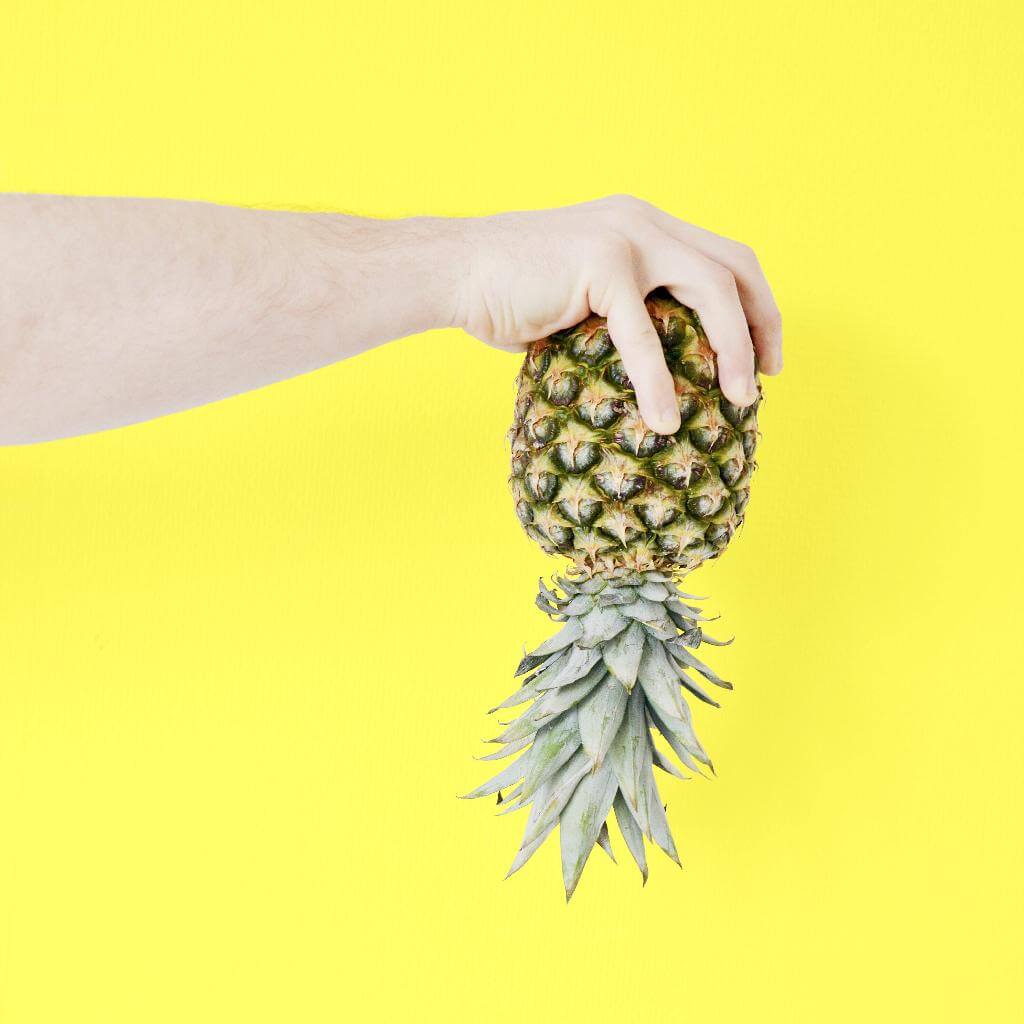
The upside-down pineapple has become a discreet but widely recognized symbol in the libertine community, particularly among swingers..
When a pineapple is placed upright on a porch or mailbox, it means the occupants are hosting or open to a swingers party.
On the other hand, if the pineapple is positioned upside down, it sends a clear message to other swingers: people are looking for libertine encounters, but are not organizing events at home.
Where does it come from? The pineapple, a symbol of hospitality, comes from the Caribbean. Originally used to signify a warm welcome, it has become a subtle sign between libertines.
The Venetian mask
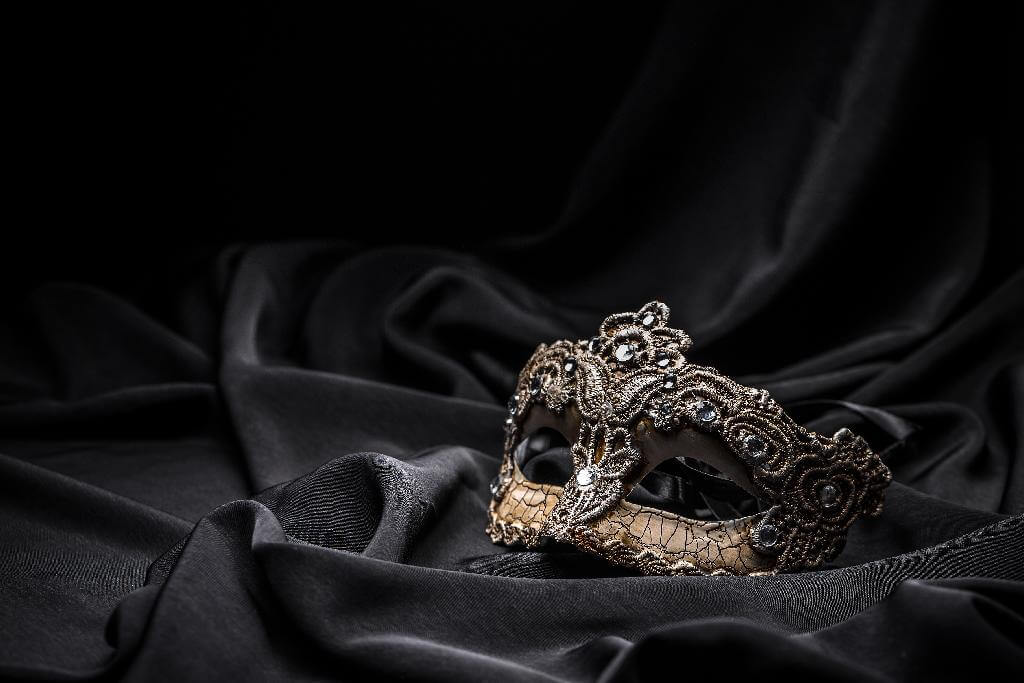
Masks have their origins in Venetian traditions, royal masked balls and fetish practices.. They enable anonymity, free up inhibitions, and add mystery and seduction to both fashion and adult games.
Their use varies according to the context:
- Masquerades and masked balls: A discreet space for daring practices!
- Theater and literature: Representation of duplicity and intimate freedom.
- Libertine philosophy: The art of concealment (a good idea for single women in clubs) to better transgress social and religious norms.
Pampas grass

The pampas grass, once the leading symbol of libertines in the 70s, is a discreet indicator of membership in the libertine community.. By planting this ornamental plant in front of their house or in their garden, the swingers and libertine couples sent a coded message.
Recognizable by its long, slender stems and silky feathers, pampas grass served as a distinctive sign, facilitating meetings between initiates. Although this symbol has known its hour of glory, it is tending to disappear today, replaced by other, more modern and subtle codes.
Garden gnomes

Garden gnomes are often seen as simple decorations, but they sometimes hide a very different role. ! Particularly in Europe, and especially in Germany, they serve as markers for certain libertine communities seeking to identify themselves without attracting attention.
By placing a dwarf in a visible but subtle position, libertines indicate their openness to encounters. Although this symbol remains largely unknown to the general public, it is still used in certain rural or residential areas where libertine communities are well established.
Black rings
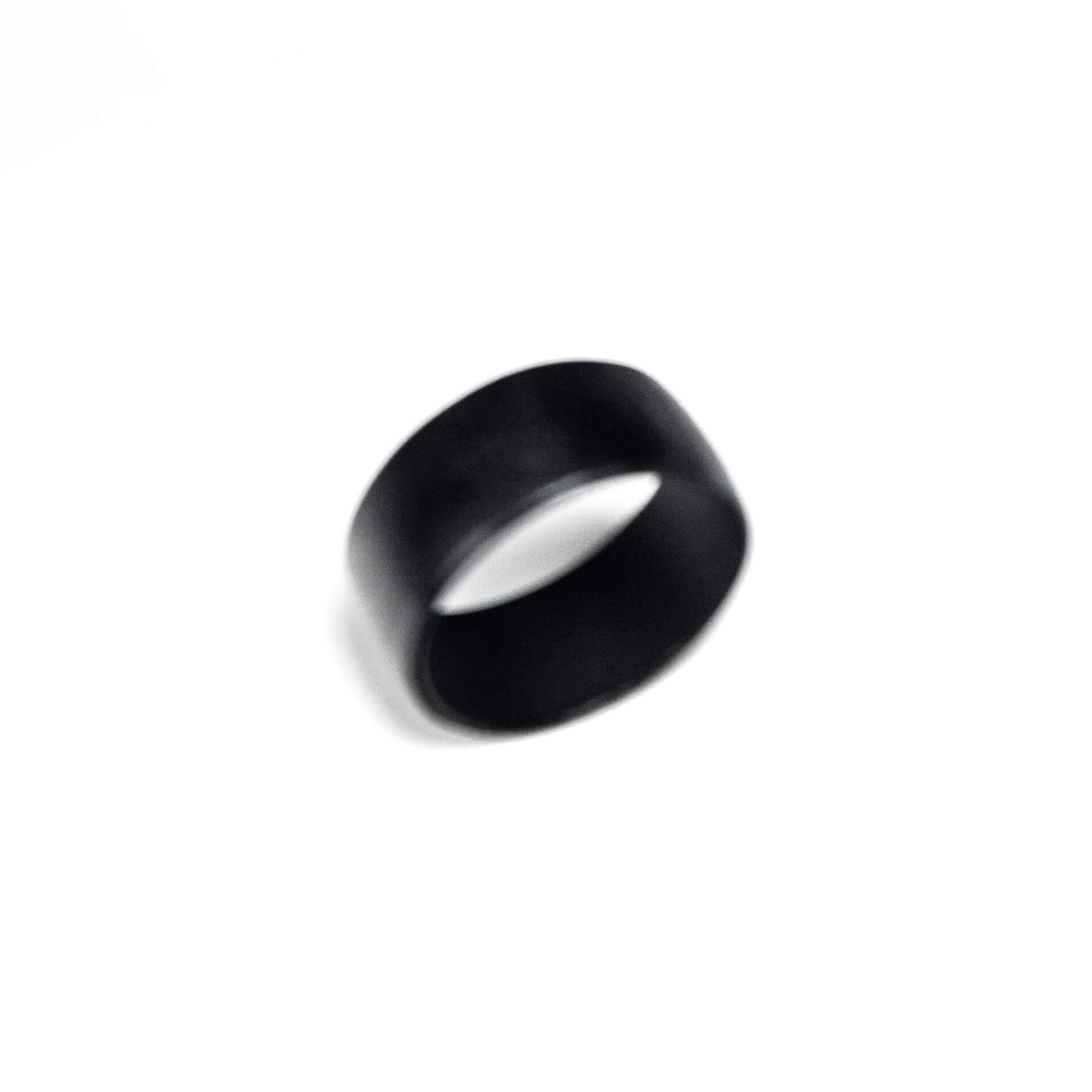
Black rings worn on the thumbs or right hands can have various meanings. Some people use them as a sign of recognition in specific communities, particularly among swingers or asexual individuals, who see them as a discreet symbol of belonging.
Still used in certain communities, mainly in Europe and North America, they have also evolved into a very popular fashion accessory, often without any libertine connotations.
If you would like to meet people, discover our reviews of WyyldeYou can register by using a promo code !
Libertine symbols: Discrete codes and nuanced meanings
Libertine symbols such as the swing, inverted pineapple or garden gnomes are useful cues for discreetly identifying each other, but you need to be careful. Many of these objects have no connection with libertinism, and some signs are country-specific or have lost their meaning.
Mastering these codes is essential, but it's just as important not to rely solely on these symbols to avoid misunderstandings. Always pay attention to the context in which these signs appear!
FAQ
How do you recognize a libertine symbol without risking misinterpretation?
To recognize a libertine symbol without making a mistake, it's essential to know the context. Symbols like the inverted pineapple or the swing are not always signs of libertinism. Pay attention to the environment and intentions before drawing conclusions.
Is it possible to join the libertine community without using any particular symbol?
Yes, it is possible to join the libertine community without using a specific symbol.. Meetings and libertine events are often made by word-of-mouth or online. Symbols are just one way of discreetly identifying each other.
How are these symbols perceived by the uninitiated?
The uninitiated generally perceive these symbols as mere decorative objects.. A pineapple or a garden gnome, for example, can go unnoticed by someone who doesn't know what they mean. This allows the community to keep a low profile.
Sources:
https://www.ladbible.com/entertainment/symbols-of-swinging-door-signs-uk-20220831